- 작성일 2026.04.01
- 작성자 고려대학교 세종캠퍼스
- 조회수 1
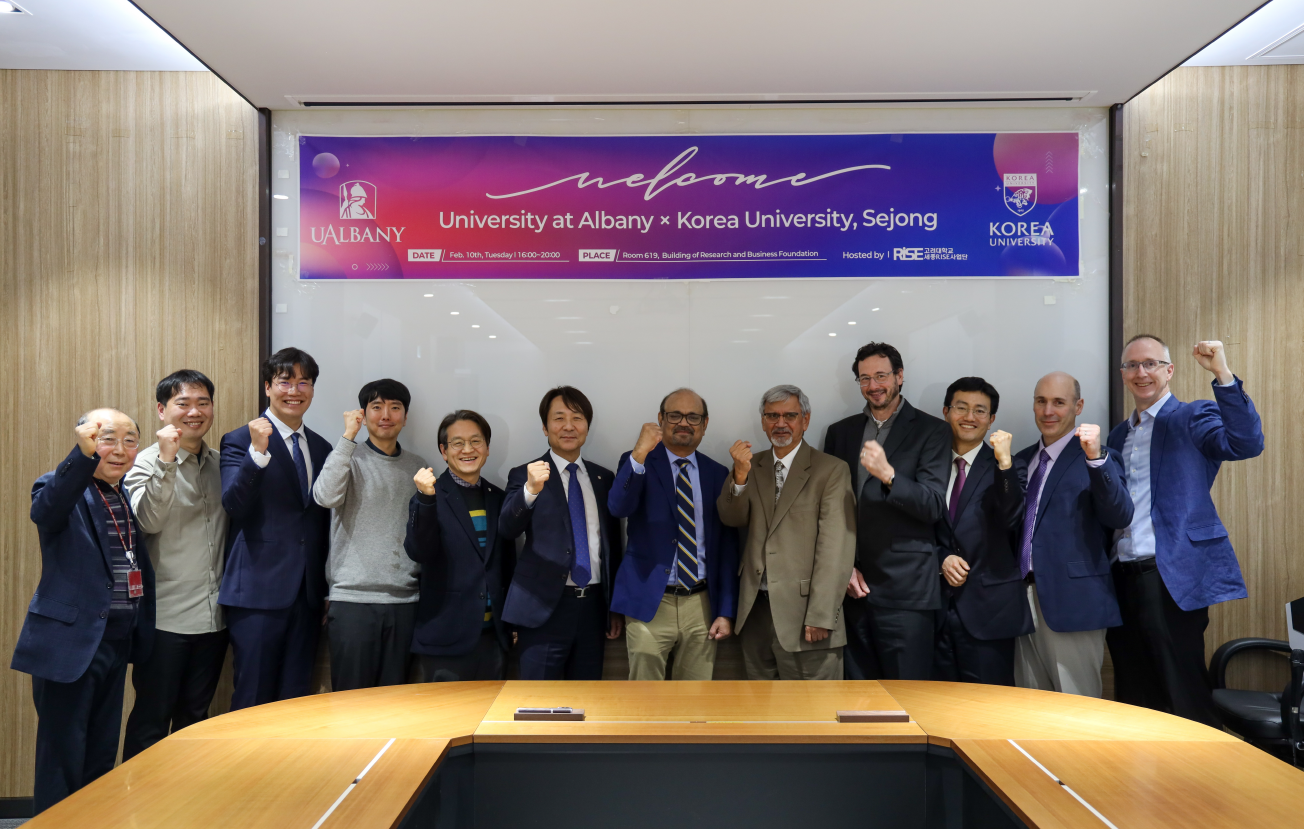
On February 10, Korea University Sejong Campus announced that it signed a Memorandum of Agreement (MOA) with the University at Albany, State University of New York (SUNY Albany), to establish a cooperative framework for semiconductor research and development. Through this agreement, the two institutions will formally expand international joint research collaboration in advanced science and technology fields, including semiconductors and electronic devices.
The agreement aims to build a cooperative system for joint research and development (R&D), exchange of research personnel, and the promotion of global research projects.
The University at Albany is a leading research-centered institution in the United States in the fields of semiconductors and nanotechnology. Supported by the state government and industry partners, the university has developed large-scale semiconductor research infrastructure. Through its College of Nanotechnology, Science, and Engineering (CNSE), it conducts research on advanced semiconductor processes, nanomaterials, and electronic devices, accumulating research achievements closely linked to the global semiconductor industry.
The signing ceremony was attended by key officials from the University at Albany in charge of research and economic development. Representing SUNY Albany were Thenkurussi Kesavadas, Vice President for Research and Economic Development; Professor Nate Cady, Associate Dean for Research at CNSE and a leading researcher in semiconductors; and Professor Satyendra Kumar, Associate Vice President for Research. From Korea University Sejong Campus, Vice President Yang Jiwoon, Director Choi Dooho of the Sejong Research and Business Cooperation Foundation, and faculty members specializing in semiconductors were present.
Vice President Kesavadas, who led this agreement, oversees the university’s mid- to long-term research strategy, large-scale research infrastructure development, and collaboration with industry and government. In recent years, he has secured approximately $72 million in research funding. He also played a pivotal role in launching the $200 million ‘AI Plus’ initiative and establishing an NVIDIA-based supercomputer cluster through partnerships with the state government and industry, strengthening Albany’s position as a hub for semiconductor and AI research.
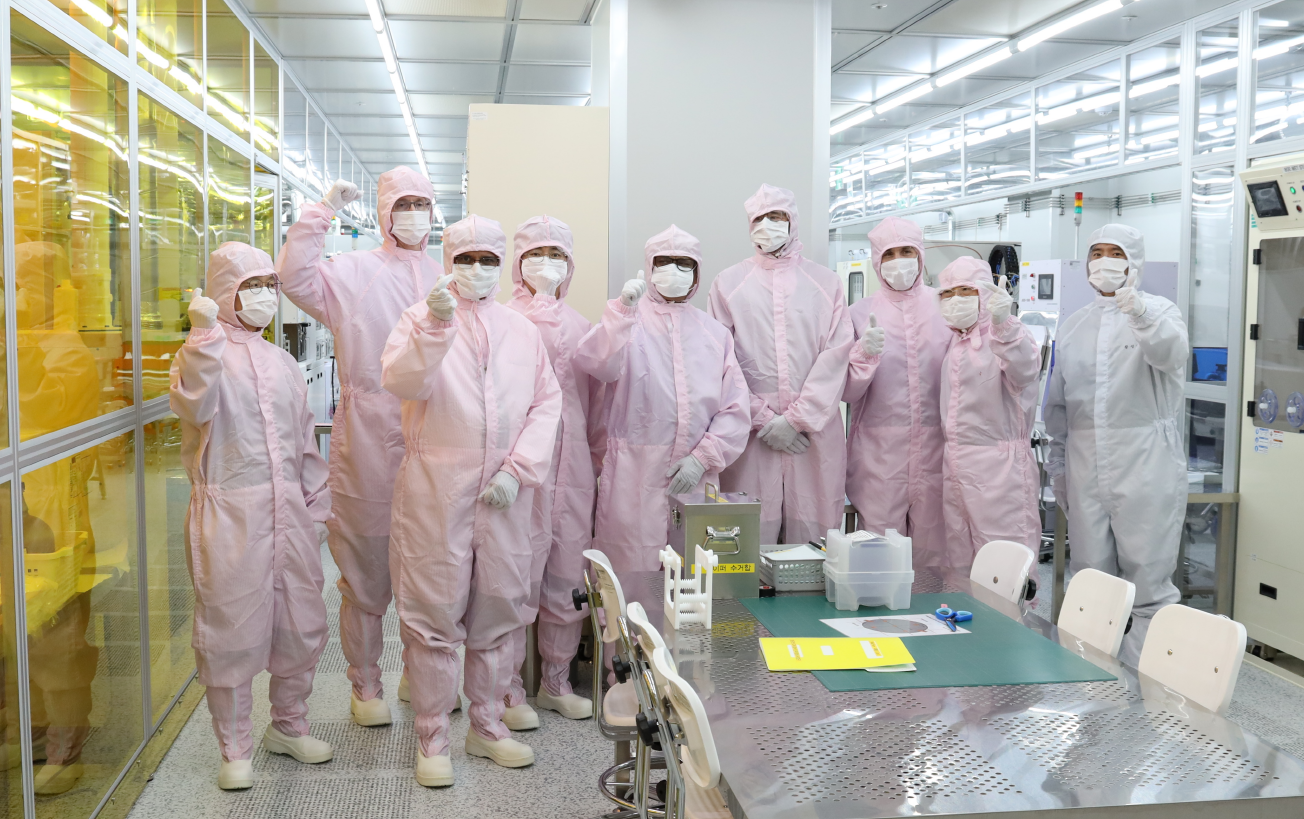
Prior to the signing ceremony, the SUNY Albany delegation visited the Research and Business Cooperation Building and the semiconductor cleanroom at Korea University Sejong Campus to review semiconductor processing equipment and research infrastructure. The two sides also engaged in in-depth discussions on changes in the semiconductor industry environment and strategies for global research collaboration.
The MOA encompasses a broad range of research areas, including semiconductor process technology, electronic device fabrication, nanomaterials, carbon neutrality technologies, quantum science and quantum computing, communication technologies, and critical materials and rare earth elements. The two institutions plan to identify international joint research projects in areas of mutual interest and expand exchanges among faculty and researchers.
Vice President Yang Jiwoon of Korea University Sejong Campus stated, “The signing of this MOA marks the starting point for full-scale global joint research in semiconductors and advanced science and technology. Through cooperation with leading overseas research institutions, we will enhance our research competitiveness and generate meaningful international research outcomes.”
Vice President Kesavadas of the University at Albany stated, “Collaborating with Korea University Sejong Campus, which possesses strong infrastructure and research achievements in semiconductors, holds great significance in producing global research outcomes.”
Beyond joint research, the two institutions plan to cooperate in nurturing next-generation research talent through exchanges of student researchers, internship programs, joint participation in international academic events, and research conferences. However, the MOA is a non-binding agreement without legal or financial obligations, and specific joint research projects and initiatives will be pursued through separate agreements in the future.
Relatedly, Korea University Sejong Campus continues to strengthen its research capabilities in semiconductor processes, equipment, and materials, while expanding research-education-industry linkages through the Sejong Research and Business Cooperation Foundation and advanced semiconductor workforce development programs. This agreement is expected to serve as an opportunity to expand its research foundation into an international joint research network.